


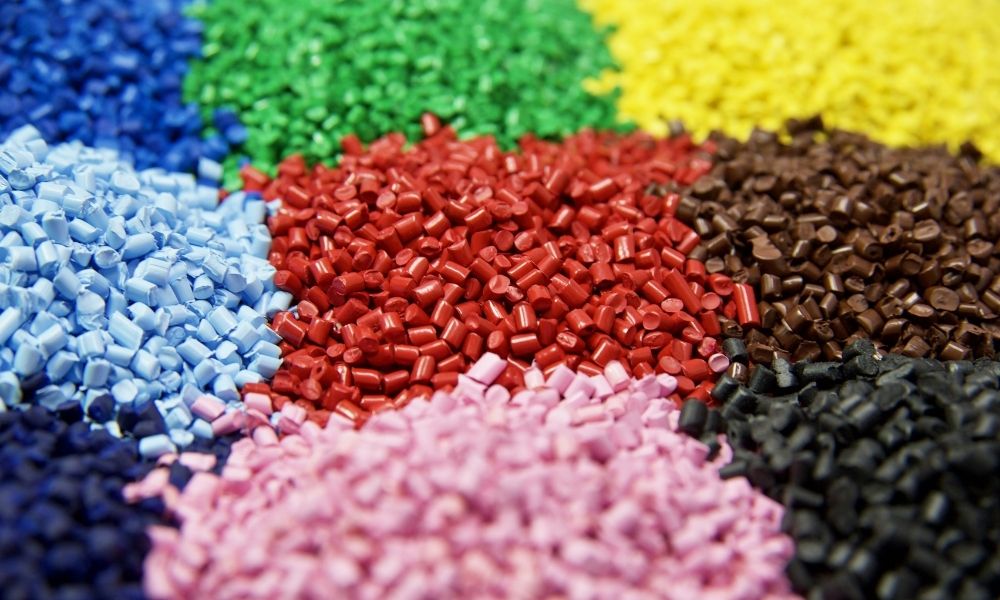
The plastics industry represents a significant economic powerhouse, achieving a global market valuation of 712 billion USD in 2023.
The plastics industry’s widespread applications across pivotal sectors, including automotive, aerospace, construction, packaging, and healthcare, highlight its fundamental contribution to global economic expansion and innovation. This industry is currently undergoing a swift evolution driven by changing market demands, technological progress, and an increasing emphasis on environmental sustainability.
In this analysis, we explore the principal trends shaping the present landscape of plastic materials. Our focus centers on examining the nexus between market growth in the plastics sector, evolving consumer demands and preferences, the pursuit of sustainable plastics manufacturing, and the development of advanced materials and innovative technologies.

The global plastics market is projected to maintain a steady growth trajectory, reaching a value of over 1.05 trillion USD by 2033, guided by a combination of factors including:
- Population Growth and Urbanization: The global population is expected to reach 9.7 billion by 2050, with urbanization rates continuing to rise. This demographic shift will lead to increased demand for polymer-based products in various sectors, including infrastructure development, packaging, and consumer goods.
- Rising Disposable Incomes: As economies develop and disposable incomes increase, consumers are more inclined to purchase products made from plastics, which offer a range of benefits, including durability, versatility, and cost-effectiveness.
- Technological Advancements: Innovation in polymer synthesis, material processing, and recycling technologies is continuously pushing the boundaries of what is possible with plastics, leading to the development of new and improved products with enhanced properties and applications.
Sustainability: A Key Challenge and Opportunity
The plastics industry is facing increasing scrutiny over its environmental impact, particularly in terms of plastic pollution. This has led to a growing demand for sustainable plastics, which are derived from renewable sources or engineered to biodegrade under specific conditions.
Bio-based Plastics
Bio-based plastics, derived from renewable resources such as plants, algae, and bacteria, are gaining traction as an eco-friendly alternative to traditional petroleum-based plastics. These plastics offer similar properties to their conventional counterparts but have a lower environmental impact.
Biodegradable Plastics
Biodegradable plastics are designed to break down into harmless organic matter under specific conditions, such as exposure to microorganisms or certain environmental factors.